What was the problem?
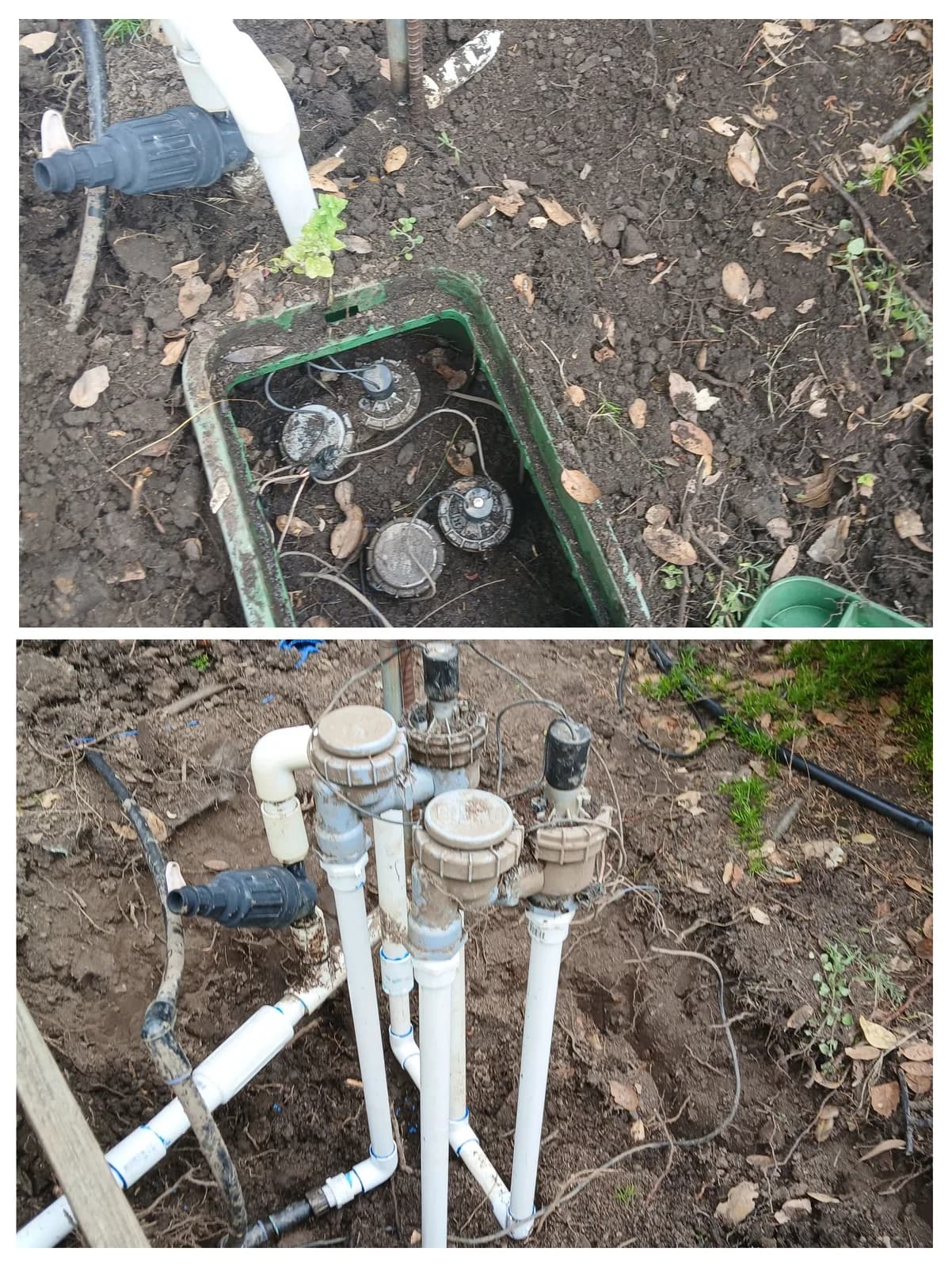
Anti-siphon irrigation valves that had been installed below ground. They are designed to sit above ground, and buried they leak into the soil unnoticed.
How do you spot it?
Soggy patches in the yard, soil that stays wet with no obvious cause, and a water bill that does not match how much you have actually used.
Why does it happen?
Installation shortcuts taken years earlier that worked for a while. The valve keeps functioning until it does not, and by then the leak is underground.
What is wrong with buried anti-siphon valves?
Anti-siphon valves buried below ground are one of the most common irrigation mistakes we see. They're meant to sit above ground - that's the whole point. When they're buried, they can't do their job properly, and leaks are almost guaranteed to follow. Here's what we were working with: two anti-siphon valves that had been set underground inside a valve box, both leaking. The setup was causing water waste and, left alone, would have kept getting worse.
What are the first signs of the problem?
Wet soil, soggy patches in the yard, and a water bill that doesn't add up - that's usually the first sign something like this is going on beneath the surface. We pulled everything out and reworked the setup completely. The valves were repositioned above ground with proper PVC risers, connected cleanly and set at the right height. That's how they're designed to work. You get better performance, easier access when something needs servicing, and the backflow protection actually functions the way it should.
Why do irrigation systems end up like this?
A lot of irrigation issues come down to installation shortcuts taken years ago - things that worked fine for a while until they didn't. Getting the valves above ground isn't just a code thing. It means the system runs cleaner, lasts longer, and is far easier to troubleshoot down the road. Hidden leaks in an irrigation system can waste a surprising amount of water without ever being obvious.
When should you get the system looked at?
If your yard has soft spots, unexplained wet areas, or your water usage seems off, there's a good chance something in the system needs attention.
This job is an example of leak detection & repair.