
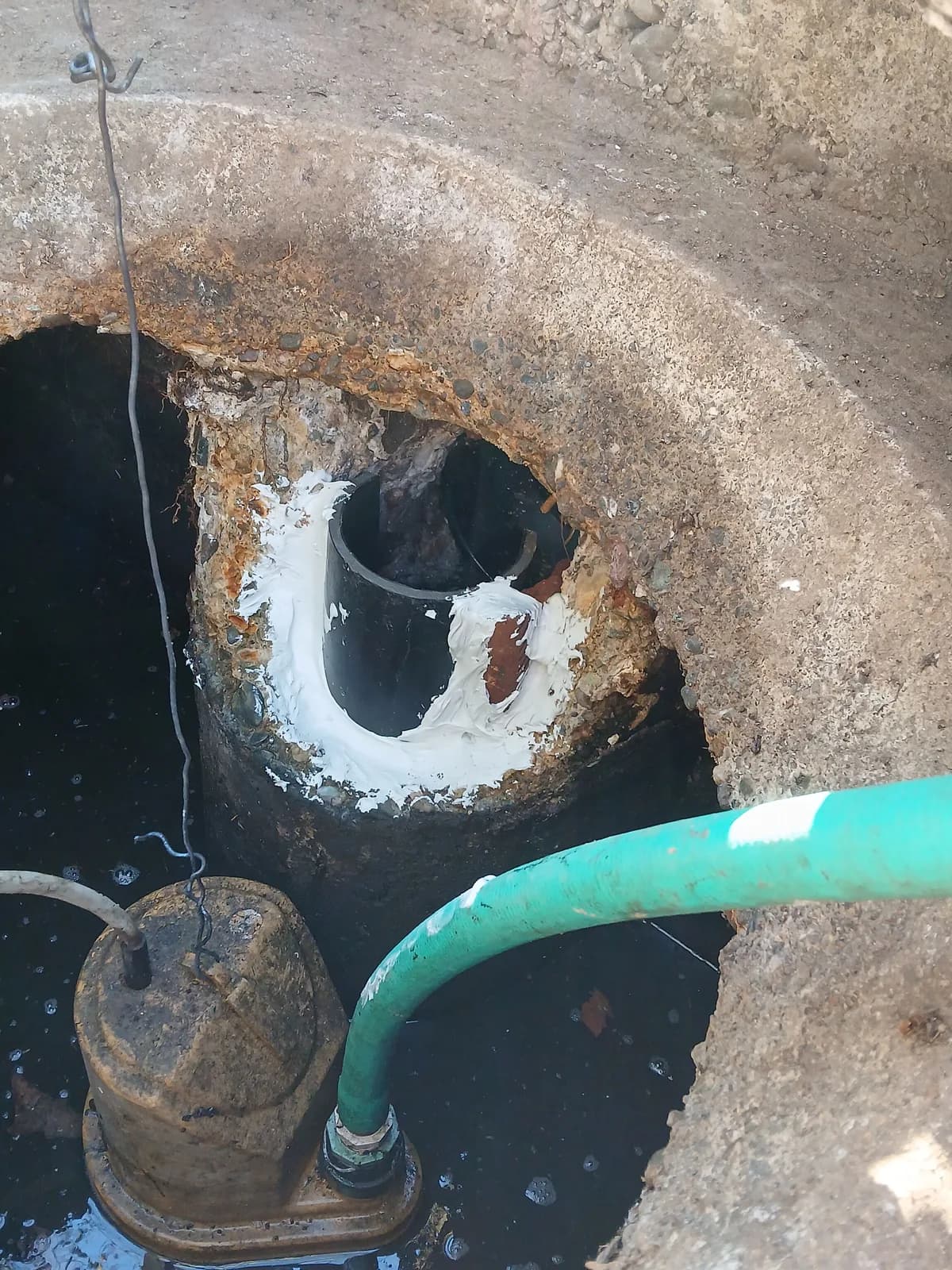
A septic tank inspection checks whether the system is working now and whether it is heading for a failure you cannot see. A basic operational inspection covers the tank, the pump system if there is one, the effluent dispersal area, alarms, liquid levels, watertightness, odours, surfacing effluent and the distribution components. In parts of Sonoma County it is not optional: properties inside the Russian River pathogen boundary need one every five years, and the county requires a valid operational permit for any nonstandard system or any standard system where monitoring was made a condition of approval.
When do you actually need one?
Buying a property on septic. The lateral and the leach field are the two systems a standard home inspection does not enter, and a failed leach field is one of the most expensive repairs a rural property can face.
Every five years, if you are inside the Russian River boundary. The North Coast Regional Water Quality Control Board's Russian River Pathogen TMDL Action Plan sets an area generally covering parcels within 600 feet of the Russian River and mapped tributaries — including Dutch Bill Creek, Green Valley Creek, Dry Creek, Santa Rosa Creek, Mark West Creek and the Laguna de Santa Rosa.
That last point matters and is widely misunderstood: it applies parcel by parcel, not town by town. Being in Guerneville or Forestville does not automatically put a property inside the boundary, and being outside those towns does not keep a property out. The controlling map decides.
When the symptoms start. Slow drains across several fixtures, gurgling, odours near the tank or field, or unusually green grass over the leach field in dry months.
What the inspection covers
- The tank — liquid level, sludge and scum depth, watertightness, and the condition of the inlet and outlet baffles
- The pump and alarm system, where the design includes one
- The effluent dispersal area for surfacing effluent, ponding or odour
- The distribution box and laterals, which is where flow either spreads evenly or does not
A failed baffle is a good example of why this matters. The baffle keeps solids in the tank rather than letting them pass to the leach field. It is a modest repair. The leach field it protects is not — replacing one is in a different cost bracket entirely, and solids reaching it are what destroy it.
Can you combine it with something else?
Yes, and it is the cheapest way to satisfy the requirement. The Water Board's plan allows the five-year inspection to be combined with a septic tank pump-out, a property transaction, or a building permit inspection rather than done as a separate visit. If a pump-out is due anyway, that is the moment to do both.
What are Sonoma County's permit rules?
Sonoma County requires a valid operational permit for any nonstandard system, and for a standard system where monitoring was made a condition of approval. Those permits are issued for one, two or three years depending on the system.
Operating a system that requires a permit without one is treated by the county as a public nuisance. It is worth establishing which category a property falls into before work is scheduled, not after.
Septic vs sewer: why the difference matters day to day
On a septic system, a slow or gurgling fixture is not automatically a blocked line. It is a classic early sign that the tank is full or the leach field is struggling. Snaking the line in that situation clears nothing and buys a few weeks.
Checking tank level first tells you which of the two problems you actually have — and that is the single most useful habit for anyone on septic.
Related reading
Frequently asked questions
How often should a septic tank be inspected? Inside the Russian River pathogen boundary, a basic operational inspection is required every five years. Outside it, inspection frequency is driven by the system type, the county operational permit conditions where one applies, and how heavily the system is used.
Does every property in Guerneville need the five-year inspection? No. It applies to systems inside the mapped boundary, generally within 600 feet of the river and listed tributaries. The controlling map and Permit Sonoma's local programme decide it for a given address.
What happens if the inspection finds a problem? The owner may have to submit the inspection report and complete the required repairs or upgrades. New or replacement systems inside the applicable area fall under stricter requirements than a like-for-like repair.
Is a septic inspection the same as a pump-out? No, but they pair well. A pump-out empties the tank; an inspection assesses whether the tank, dispersal area and components are performing. The Water Board's plan expressly allows the two to be combined.